

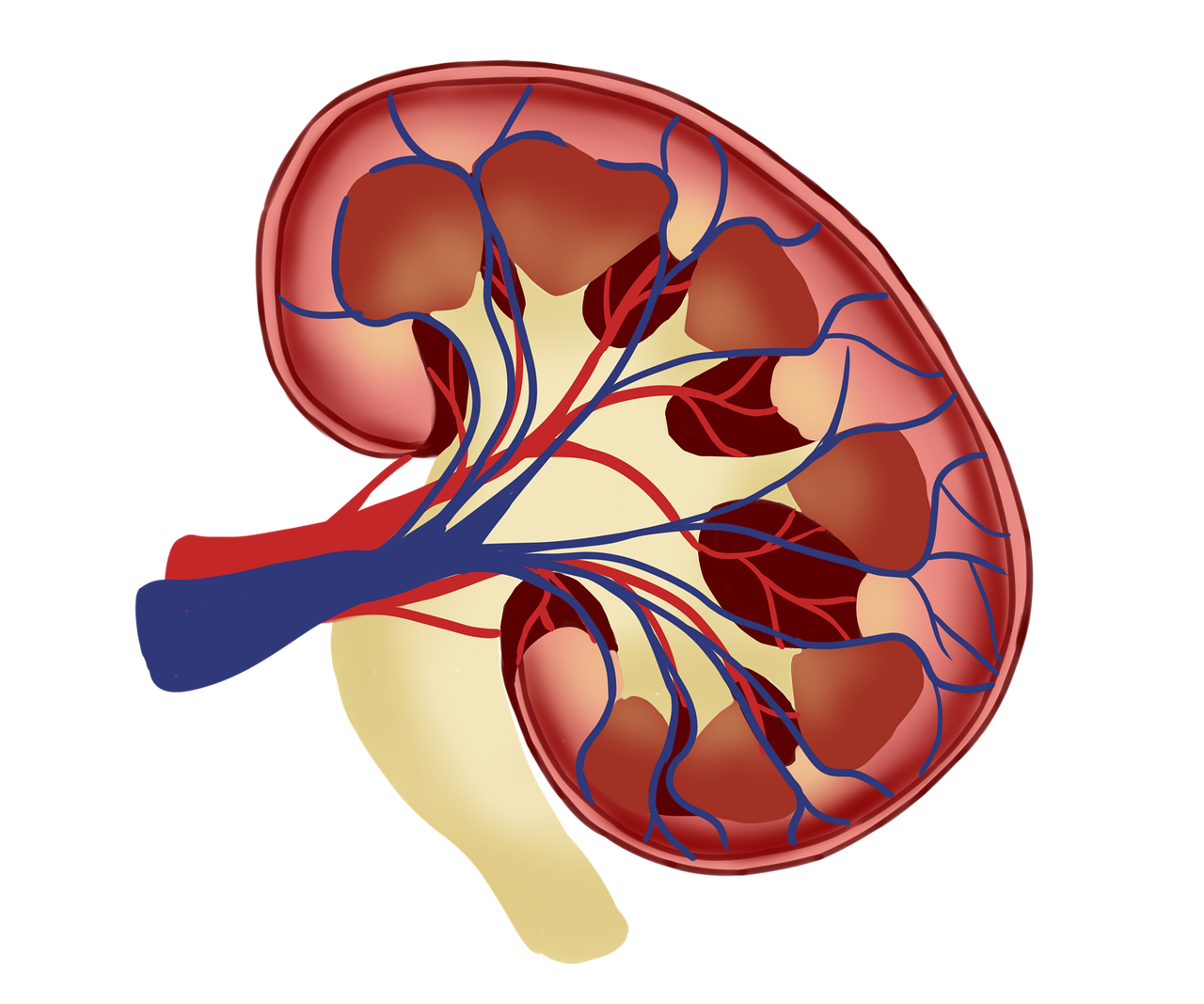
Nephrotic syndrome is a kidney condition in which damaged kidney filters allow too much protein to leak into the urine, leading to heavy proteinuria, edema and foamy urine, and a higher risk of complications over time.
The condition matters because ongoing kidney filter damage can increase both clot and kidney-failure risk when it is not recognized and managed early.
What Is Nephrotic Syndrome?
Nephrotic syndrome is not a single disease but a group of findings that happen when the glomeruli, the kidneys’ tiny filtering units, become damaged and start leaking large amounts of protein into the urine. The syndrome is typically associated with heavy proteinuria, low albumin in the blood, swelling, and abnormal blood fat levels.
Healthy kidney filters normally keep important proteins in the bloodstream while removing waste and extra fluid. When kidney filter damage develops, that barrier becomes too permeable, and protein that should stay in the blood passes into the urine instead.
How Heavy Proteinuria Causes Edema and Foamy Urine
Heavy proteinuria is the core feature of nephrotic syndrome because the leaking of protein sets off many of the visible symptoms. As blood protein levels fall, especially albumin, fluid is less likely to stay inside blood vessels and instead moves into body tissues, causing edema.
This swelling may first appear around the eyes in the morning or in the legs and ankles after standing, and it can become more constant or widespread as the condition worsens. At the same time, protein in the urine can make urine look persistently foamy because protein lowers the liquid’s surface tension and creates longer-lasting bubbles.
Common Causes of Nephrotic Syndrome
Nephrotic syndrome can appear in diseases that directly affect the kidneys or in illnesses that affect the whole body and secondarily injure the kidney filters.
Kidney-limited causes include disorders such as minimal change disease, focal segmental glomerulosclerosis, and membranous nephropathy, while broader causes include diabetes, lupus, infections, and some medications.
Because nephrotic syndrome reflects a pattern of injury rather than one diagnosis, identifying the underlying cause is essential for treatment planning. Some causes respond well to medicine, while others may slowly progress despite treatment and raise long-term kidney-failure risk.
Signs That Should Not Be Ignored
The symptoms most often linked with nephrotic syndrome are swelling, weight gain from retained fluid, and foamy urine. Swelling may affect the face, legs, feet, or other areas of the body, and it may become severe enough to limit daily comfort or mobility, according to the National Kidney Foundation.
Foamy urine by itself does not always mean nephrotic syndrome, but persistent foamy urine paired with edema should prompt medical evaluation because it may signal heavy proteinuria and kidney filter damage. Early attention is important because the condition can lead to complications even before kidney function obviously declines.
How Nephrotic Syndrome Is Diagnosed
Diagnosis usually begins with a medical history and physical examination, followed by urine and blood testing. A urine test can measure how much protein is being lost and may also check for blood or other signs of kidney damage.
Blood tests help evaluate kidney function, albumin levels, and related problems such as abnormal fats in the blood. Doctors may also look for underlying diseases that can cause nephrotic syndrome, and a kidney biopsy is sometimes needed to identify the specific pattern of kidney filter damage.
Why Clot and Kidney-Failure Risk Increase
Nephrotic syndrome can make the blood more likely to clot because protective proteins may be lost in the urine while the body increases production of clotting factors. This hypercoagulable state raises the risk of problems such as deep vein thrombosis, pulmonary embolism, and renal vein thrombosis.
The condition can also threaten long-term kidney health because persistent protein leakage and ongoing kidney filter damage may lead to scarring and progressive loss of function. Some people improve with treatment, but others may develop chronic kidney disease or kidney failure, especially if the underlying cause remains active, as per Cleveland Clinic.
Treatment and Daily Management
Treatment focuses on the cause of nephrotic syndrome, the amount of heavy proteinuria, the severity of edema, and the person’s risk of complications.
Depending on the cause, treatment may include disease-specific medicines, blood pressure medicines that also lower protein loss, diuretics to reduce swelling, and therapies to control abnormal blood fat levels.
Diet and daily habits also matter. Reducing salt can help control edema and blood pressure, while very high-protein diets are generally not advised because they may worsen kidney strain rather than help replace lost protein.
Regular follow-up is important so changes in swelling, urine protein, and kidney function can be tracked over time.
Nephrotic Syndrome and Long-Term Kidney Protection
Nephrotic syndrome deserves prompt attention because heavy proteinuria, edema and foamy urine, and ongoing kidney filter damage are not minor findings. Recognizing the syndrome early and treating both the symptoms and the underlying cause can help reduce clot and kidney-failure risk and protect kidney function over the long term.
Frequently Asked Questions
1. Is nephrotic syndrome the same as kidney failure?
No. Nephrotic syndrome describes a pattern of kidney filter damage with heavy protein loss, while kidney failure means the kidneys can no longer adequately clean the blood. Nephrotic syndrome can increase kidney-failure risk over time, but many people with nephrotic syndrome do not have kidney failure yet.
2. Can nephrotic syndrome come and go?
Yes. Some causes of nephrotic syndrome respond well to treatment and can go into remission, where protein in the urine decreases and swelling improves. However, relapses can occur, so ongoing monitoring is usually needed.
3. Does everyone with foamy urine have nephrotic syndrome?
No. Foamy urine can happen for other reasons, such as concentrated urine or fast urination. Persistent, clearly more foamy urine, especially together with swelling or known kidney disease, should be checked, but it does not always mean nephrotic syndrome.
4. Can nephrotic syndrome be prevented?
There is no way to prevent all cases, but managing conditions like diabetes, high blood pressure, and lupus, avoiding unnecessary use of kidney-harming drugs, and getting regular checkups can lower the chance of developing kidney filter damage that leads to nephrotic syndrome.
