

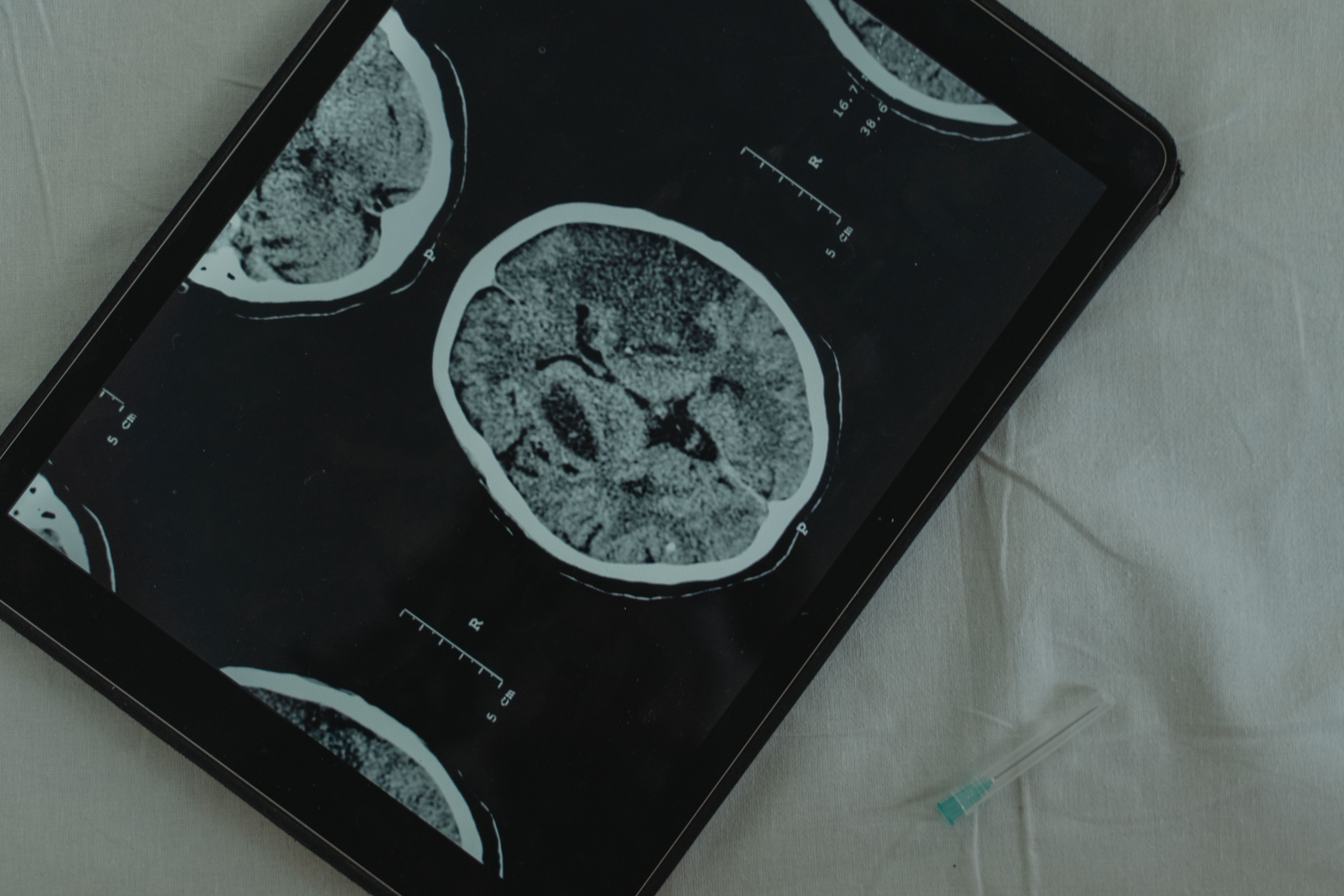
The horticultural world is mourning the death of David J. C. Austin, chairman of the internationally renowned rose breeding company David Austin Roses, who died at the age of 67 after being diagnosed with Creutzfeldt-Jakob disease (CJD). Austin’s family announced his passing, prompting tributes from colleagues, gardening enthusiasts and organizations that recognized his role in continuing the legacy of one of Britain’s most influential rose breeders.
His death has also drawn attention to Creutzfeldt-Jakob disease, an exceptionally rare but fatal neurological disorder that rapidly damages the brain. Although the condition affects only a small number of people worldwide each year, it progresses quickly and currently has no cure, making awareness and accurate information especially important.
An Aggressive and Rapid Illness That Ended a Distinguished Career
Those who knew Austin praised his passion for cultivating roses and his efforts to continue the work started by his father, David C. H. Austin, whose English roses became internationally recognized. Messages of condolence from industry organizations, employees and customers reflected the widespread respect he earned throughout his career.
Beyond honoring his legacy, Austin’s passing has highlighted a disease that remains unfamiliar to many despite its devastating effects. As Creutzfeldt-Jakob disease progresses rapidly after symptoms begin, families often have very little time to adjust before significant neurological decline occurs.
What Is Creutzfeldt-Jakob Disease?
According to the NHS and the Mayo Clinic, Creutzfeldt-Jakob disease (CJD) is a rare, progressive and fatal brain disorder caused by abnormal proteins known as prions. These malformed proteins trigger normal prion proteins in the brain to fold abnormally, leading to widespread brain damage over a relatively short period.
CJD is classified as a prion disease or transmissible spongiform encephalopathy, a group of disorders that gradually destroy nerve cells and leave the brain with a sponge-like appearance under the microscope.
Causes
There are several forms of CJD:
- Sporadic CJD: The most common type, occurring spontaneously without a known cause.
- Inherited (familial) CJD: Caused by inherited mutations in the prion protein (PRNP) gene.
- Acquired CJD: A very rare form resulting from accidental exposure to infected nervous system tissue during certain medical procedures.
- Variant CJD (vCJD): Linked to consuming beef contaminated with the prion responsible for bovine spongiform encephalopathy (commonly known as «mad cow disease»), though cases remain extremely rare because of strict food safety measures.
Symptoms
The disease’s known symptoms often worsen rapidly and may include:
- Progressive memory loss
- Personality and behavioral changes
- Difficulty thinking clearly
- Problems with coordination and balance
- Muscle stiffness or involuntary jerking movements
- Vision disturbances
- Difficulty speaking or swallowing
- Confusion
- Progressive dementia
As the disease advances, patients usually lose the ability to communicate, move independently and care for themselves.
Diagnosis
CJD is often diagnosed by doctors using a combination of neurological examinations, brain MRI scans, electroencephalograms (EEGs), specialized cerebrospinal fluid tests obtained through a lumbar puncture and, in some cases, advanced laboratory testing that detects abnormal prion proteins. A definitive diagnosis may ultimately require examination of brain tissue, although this is not always performed during life.
Treatment
There is currently no cure for Creutzfeldt-Jakob disease, and no treatment has been shown to stop its progression.
Medical care focuses on relieving symptoms, maintaining comfort and supporting both patients and their families. Depending on individual needs, treatment may include pain management, medications to reduce muscle spasms or involuntary movements, nutritional support and palliative care services.
Risk Factors and Prevention
Most cases of sporadic CJD occur without any identifiable risk factors and cannot be prevented.
However, public health authorities have implemented several measures that have dramatically reduced the already low risk of acquired and variant forms of the disease. These include:
- Strict screening of blood donations
- Careful sterilization or disposal of surgical instruments used in high-risk neurological procedures
- Restrictions on the use of human tissues that could transmit prions
- Food safety regulations designed to prevent cattle infected with bovine spongiform encephalopathy from entering the food supply
Because sporadic CJD develops spontaneously, there are currently no lifestyle changes known to prevent it.
An Alarming Disease That May Come Up Unexpectedly
The death of the renowned chairman has introduced many people to a disease they may never have previously encountered. It has been reported that Creutzfeldt-Jakob disease is exceptionally rare, but its rapid progression and devastating neurological effects make it one of the most serious disorders affecting the brain.
Austin’s case also underscores the importance of recognizing persistent neurological symptoms such as rapidly worsening memory problems, unexplained changes in behavior, coordination difficulties, or sudden cognitive decline. While these symptoms are far more likely to result from conditions other than CJD, they should always prompt timely medical evaluation.
For the general public, Austin’s passing serves as a reminder that rare diseases still affect families around the world. Continued research into prion diseases, advances in diagnostic testing, and ongoing public health safeguards remain essential to improving understanding of these uncommon but devastating neurological disorders.
