


Cinema is dying.
Put your ear to the ground, and you’ll hear those same whispers about how films just aren’t the same as they used to be. They’re about different things. made in different ways. And the magic just seems to be seeping away with each passing year. A lot of the biggest artists around have been saying that since the beginning. Arguably the biggest superstar in the world said that he ‘hates’ the change and ‘couldn’t conceive’ of movies made in this new way.
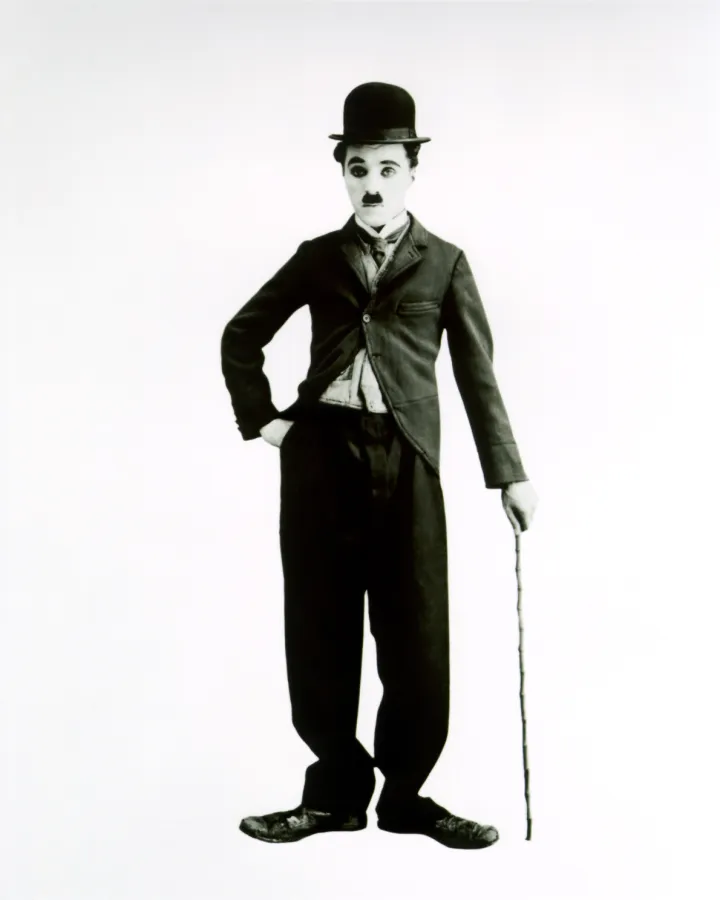
That man was Charlie Chaplin, and he was talking about the addition of sound to cinema.
“I cannot conceive of my films as other than silent. My shadow appears on the screen as in a dream, and dreams do not speak.”
It has now been almost 100 years since these arguments were made back in the 1920s and 30s about the impending death of the art.
It’s a profound argument to be sure. When cinema first appeared, it was in the form of small clips that dazzled viewers with light and motion, and film was primarily viewed as a medium based on light and motion. Surely adding sound to that would disrupt this more pure expression of the art. And that it did. Since then, movies have never been the same. And yet cinemas were packed year after year since the creation of ‘talkies’ as they were called. Since then, it seems that every few decades or so something will come along that will, naturally, lead to the death of cinema.
Who, for instance, would forget when the very nature of the image itself began to change with the inclusion of, gasp, color into our film screens? After all, cinema is an art of light and shadows, and the purest kind of light and shadow film is black and white. At the time, black and white was just par the course when it came to moving pictures. With black and white, the light itself was really all that drew your eye. And surely the inclusion of color film would greatly diminish that purity. Just imagine with the addition of color how distracting it would be for an audience?
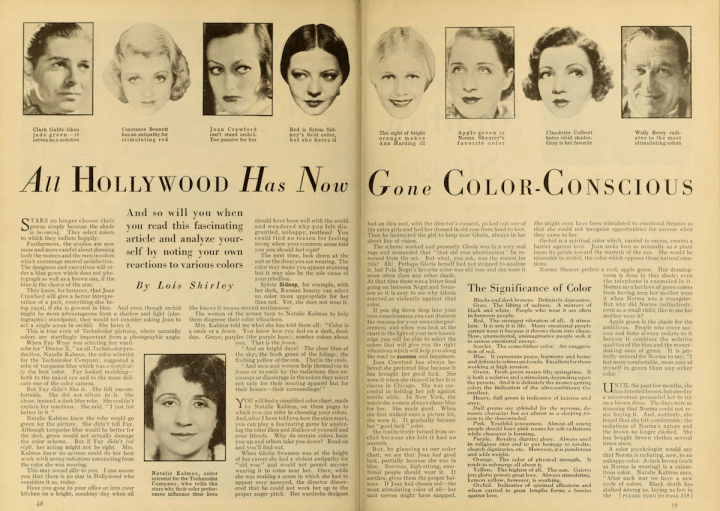
As with the inclusion of sound, color would inevitably cause great upheaval in the film industry once the technology was implemented, with many reviewers complaining that such an inclusion was distracting. One review lamented there was still “a question as to whether or not color can be kept in its place in the creation of a full-length film.” And surely this technology would disrupt the art in such a way that it would never be the same. Talking films had, after all, left audiences uninterested in going to silent movies anymore, forcing holdouts like Charlie Chaplin to begrudgingly adapt to the changes. And the introduction of color was no different.
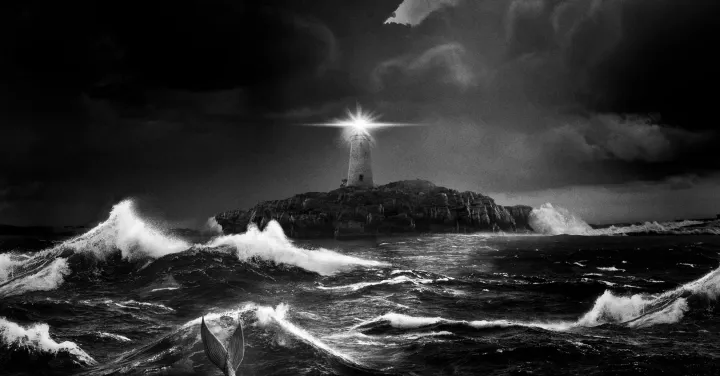
And yet in the decades that followed color’s introduction to the movies, color and black and white films would coexist pretty comfortably, with some major hits in black and white still being produced to this day. Anything from 1960’s Psycho to the much more recent The Lighthouse are absent of color despite it being available. In both cases, the directors chose to use black and white instead of color because it suited their vision better.
It’s here that we come to what many seem to forget about cinema.
A lot of art forms are focused purely on the human touch, say, with writing and acting. Cinema started as and remains an art dependent on current technology, and as the technology changes, so does the art. When new technology comes around in the tools we use to record or create images, it always finds its way into the movies. We used to just have the use of cameras and film. And as the cameras and film changed, so too did the movies we watched with them. But there were always limits. Surely when those limits vanished, movies would once again die.
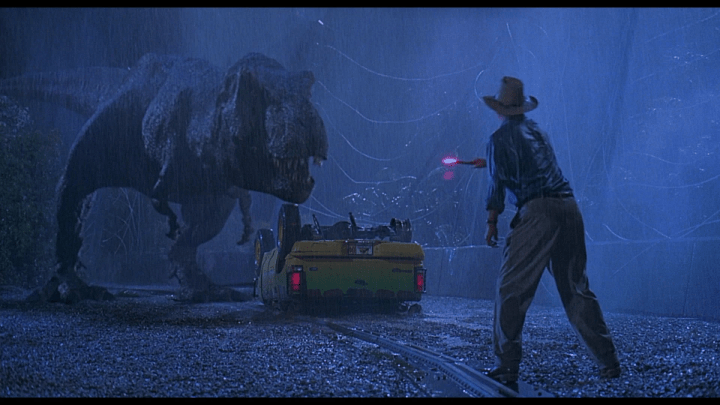
Cinema would, of course, suffer yet another fatal wound come the late 80s and early 90s when computer-generated imagery started becoming popular in movies. Animation used to be accomplished only with drawings. CGI is just that, a kind of drawing, but one that can simulate dimension and weight in a way that most 2d animation can’t quite get. Now you could produce a drawing that made audiences the world over believe dinosaurs had returned to life. Such hits as Terminator 2 and Jurassic Park really showcased just how freeing these new technologies could be, blasting the limits off of what you could do onscreen. And without those limits, surely that would be the death blow of the art of movies. Who can forget Martin Scorsese, one of cinema’s most revered talents, who had the following to say about computer-generated imagery in Side by Side:
“My big concern is of the image, ultimately with CGI, I don’t know if our younger generation is believing anything anymore on screen, it’s not real.”
And sure enough, when this technology was introduced, a lot of art such as miniatures and model making, animatronics and makeup, matte paintings and various non-computer optical effects would be quashed out and replaced with computer-generated imagery from here on out. And it seemed things would stay that way indefinitely. Computer-generated images have become a cinematic staple over the last thirty years. Most of the time, you don’t even realize it’s there, with things like color correction, brightness, and contrast now handled on digital editing booths instead of chemical labs. Even the method by which we record and create images is largely digital now, with the chemical process of film and film cameras now a niche rather than the standard.
And yet cinema still marches on, doesn’t it? Indeed, despite black and white not being the only option for either filmmakers or filmgoers anymore, we will still see hits like The Lighthouse do decent numbers in theaters. While CGI has been growing its influence and capabilities for several decades, we still see live-action creatures such as Rocky from Project Hail Mary capturing the imaginations of audiences around the world. Movies constantly change with new technologies, and filmmakers, as with any artist, can struggle to find the right combination of tools to fit their style. And there are many things that change according to what’s available. Certain kinds of cameras and lenses can fall out of favor, leading to certain shooting and editing styles becoming popular in one decade, and being forgotten the next. It’s one of those changes that sometimes you don’t even notice. And that alone can make movies feel different as a language. Every time these changes happened, cinema was supposedly going to die forever, and every time it continued to march on.
Cinema, like any art, is one defined by the choices of those who make it. And oftentimes when a change comes, people believe it will end the art forever. But this isn’t true. It doesn’t end the art. Rather, it changes it by adding something most artists want. And that’s a choice. Each of these additions are simply the addition of one more choice an artist can implement if they so desire. Some directors still insist on shooting without computer-generated imagery. Others insist on shooting only on physical film, preferring the tactile feel that grain provides. Some choose not to use color or sound. Some chose to animate rather than photograph, and if you do photograph, then we get to a discussion of lenses and how you put those images together.
Movies have changed so much since they first flickered to life on projectors over a century ago, going from a small novelty that was believed to be short-lived to a sprawling cultural force that is known the world over. It can be easy to believe the art is dying when change happens, either with a new technology, a new business practice, or a certain genre becoming more popular and beating down competition. And now films have more to compete with, not only with new art forms like video games, but also variations on cinema appearing anywhere from television to the internet. With so many more options, and with theaters seeming to be losing their prestige, it can be tempting to say that cinema is dying. For real this time.
But cinema will never die any more than say writing will. True, it may not play as commonly in theaters as it used to, now with many more screens available to view moving pictures. Truth is, those arguments have been made over and over, be it the appearance of a new technology or popular genre, cinema, indeed any art form has had to deal with such changes time and time again. It doesn’t mean films can’t be made the way they used to be. Silent cinema, black and white films, and films free of digital touch-ups of any kind are still being made, though now these are not necessities, but artistic choices a filmmaker can make. And with the addition of each new technology, tool and genre, it gives creative minds whatever tools they wish to use or not as they please.
Today, cinema seems to be dying again. For real this time. Corporate interests have quashed a lot of creativity with film viewed more as a business than creative expression. Lots of jobs are being lost to AI technologies, leading many to believe people simply won’t have time to create images anymore, when a prompt can now do all the work. And yet, despite all the other times cinema was dying, the best talents both behind and in front of the camera were able to adapt, and sometimes hit new artistic highs.
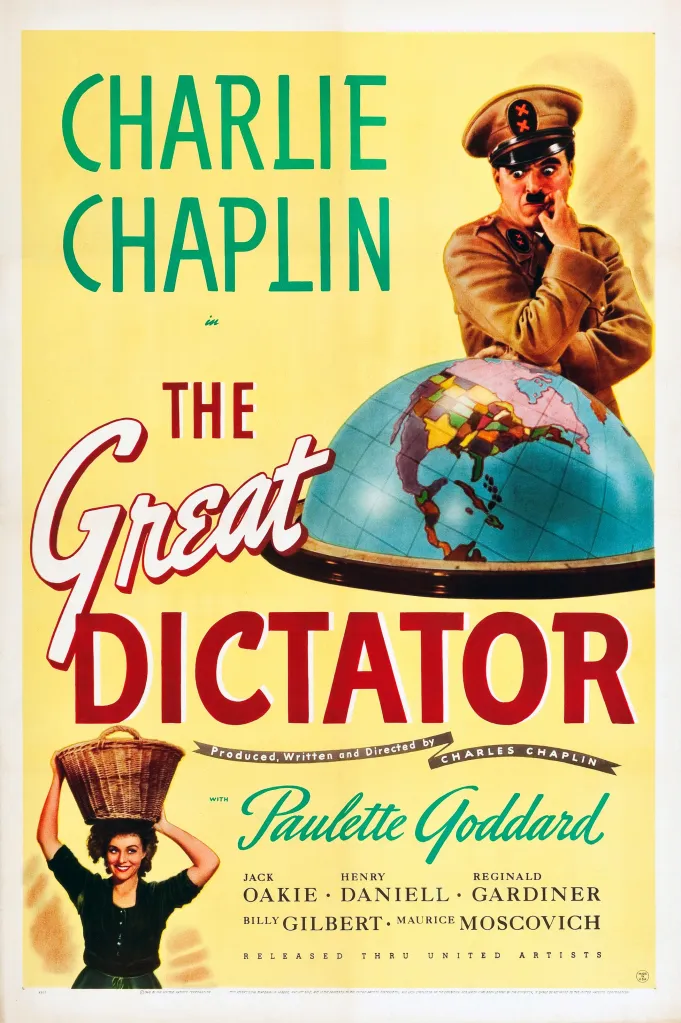
Circling back to Charlie Chaplin, he’d said the idea of producing talking films or appearing in them was abhorrent. And yet, Chaplin would later go on to star in The Great Dictator, a popular and powerful comedic satire made in the lead-up to World War II. And in that film, Charlie Chaplin, the once silent tramp, tries his hand at a new art, delivering a stirring monologue, showing the ability to expand his craft when given the opportunity. Talent can adapt to a changing landscape, finding fresh new ways to capture the imaginations of the public.
